A consistent fleet appearance
Vehicles are cleaned before road film, mud and traffic grime become the condition customers and drivers see every day.

A planned maintenance schedule removes road film, salt, grime and brake dust before heavy build-up develops, helping your vehicles stay presentable at the best practical rate for regular work.
Request a QuoteWeekly or fortnightly washing keeps that build-up at a maintainable level. It gives the fleet a more consistent appearance and helps us plan the time, products and working method needed for each visit.
The right interval depends on the work. High-mileage vehicles, winter routes, construction sites and customer-facing fleets may benefit from weekly visits. A fortnightly programme can suit vehicles that collect dirt more slowly while still keeping the condition under control.
Vehicles are cleaned before road film, mud and traffic grime become the condition customers and drivers see every day.
Regular visits keep build-up manageable, so the work stays closer to an agreed maintenance wash rather than a more involved condition-based clean.
Road salt is corrosive. Removing salt, dirt and moisture-holding deposits more regularly helps reduce the exposure of wheels, lower-body areas and metalwork.
Suitable wheel-cleaning products are used as part of the agreed wash. Shorter intervals help prevent brake dust from developing into dense, stubborn layers.
Regular washing helps keep number plates, lights, reflectors, mirrors and vehicle markings clean and visible between normal driver checks.
A repeat day and wash window makes it easier to plan vehicle availability and include the units that are normally back on site.
When brake dust is left to build into a dense layer, the wheels may need stronger or more targeted treatment, added agitation and more working time. That can affect the price, particularly when the vehicle has moved beyond a maintenance condition.
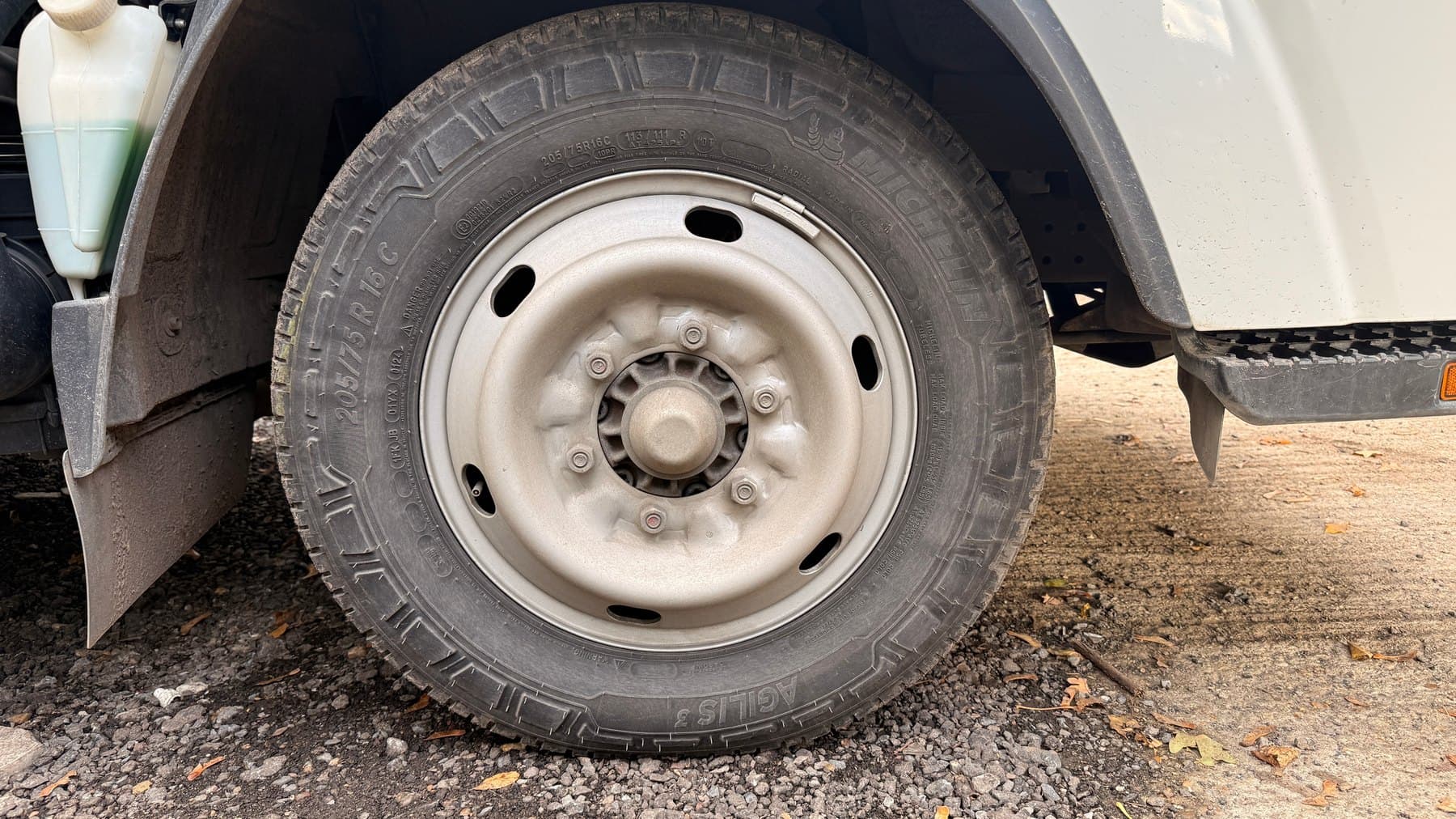
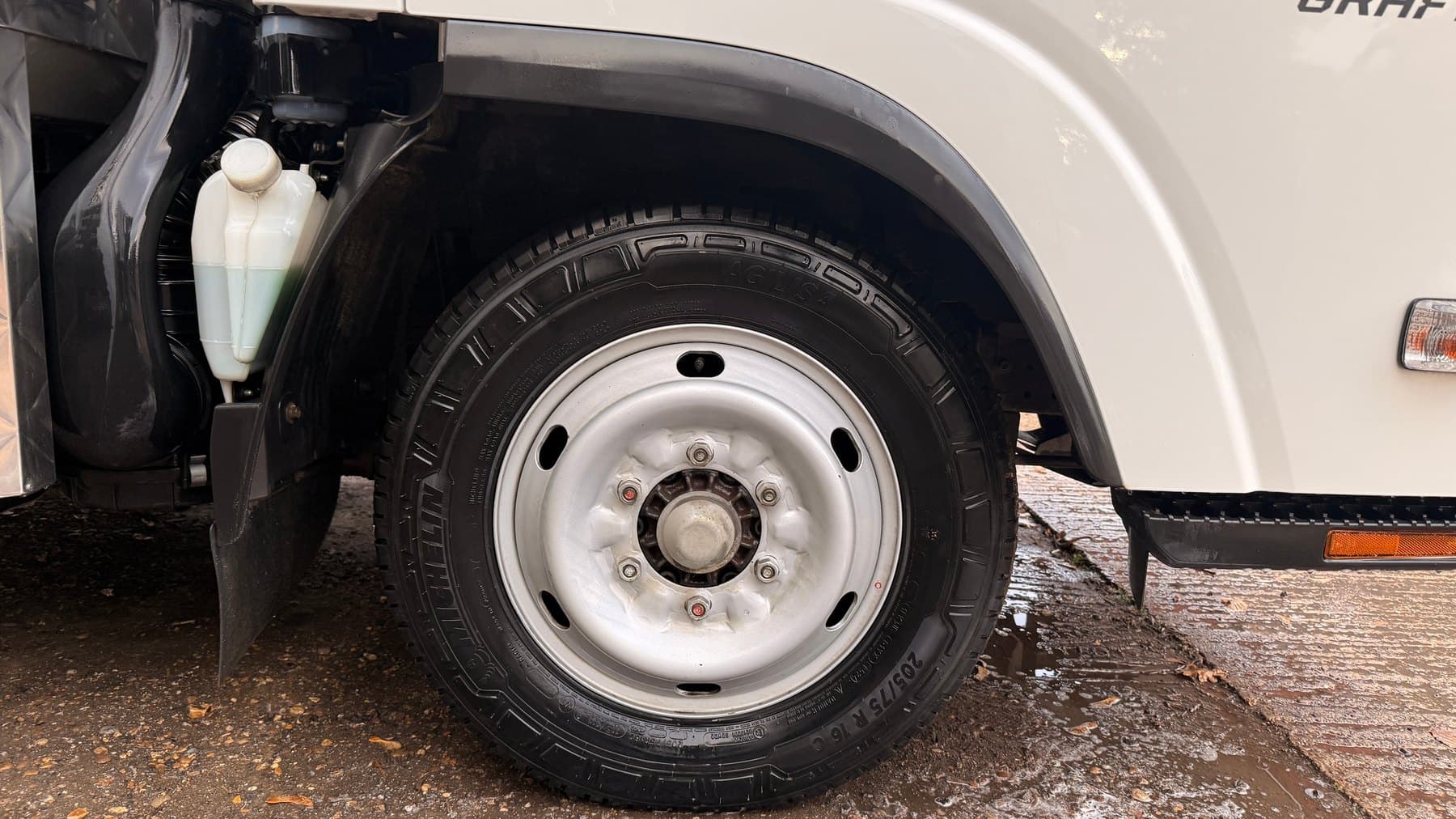
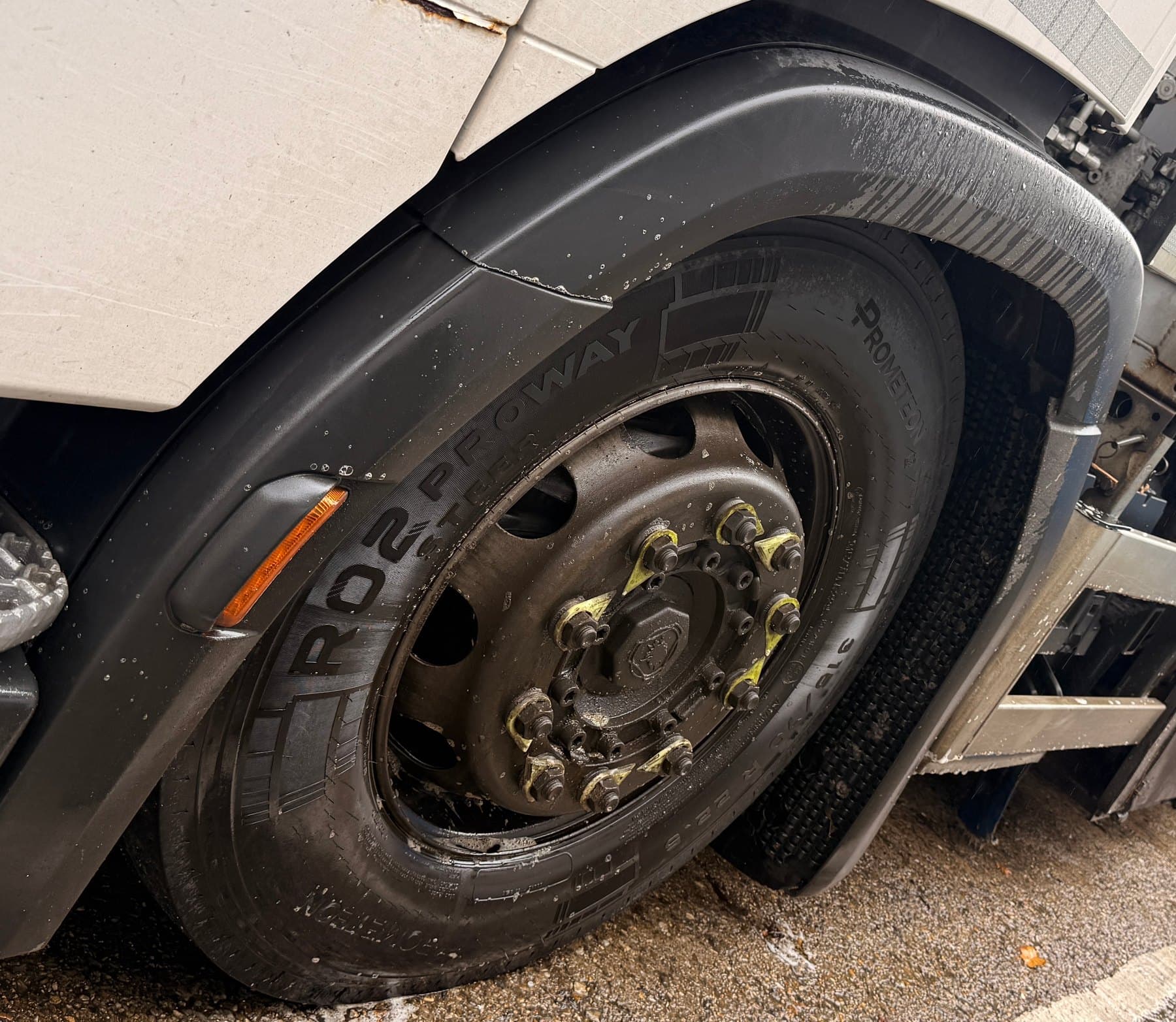
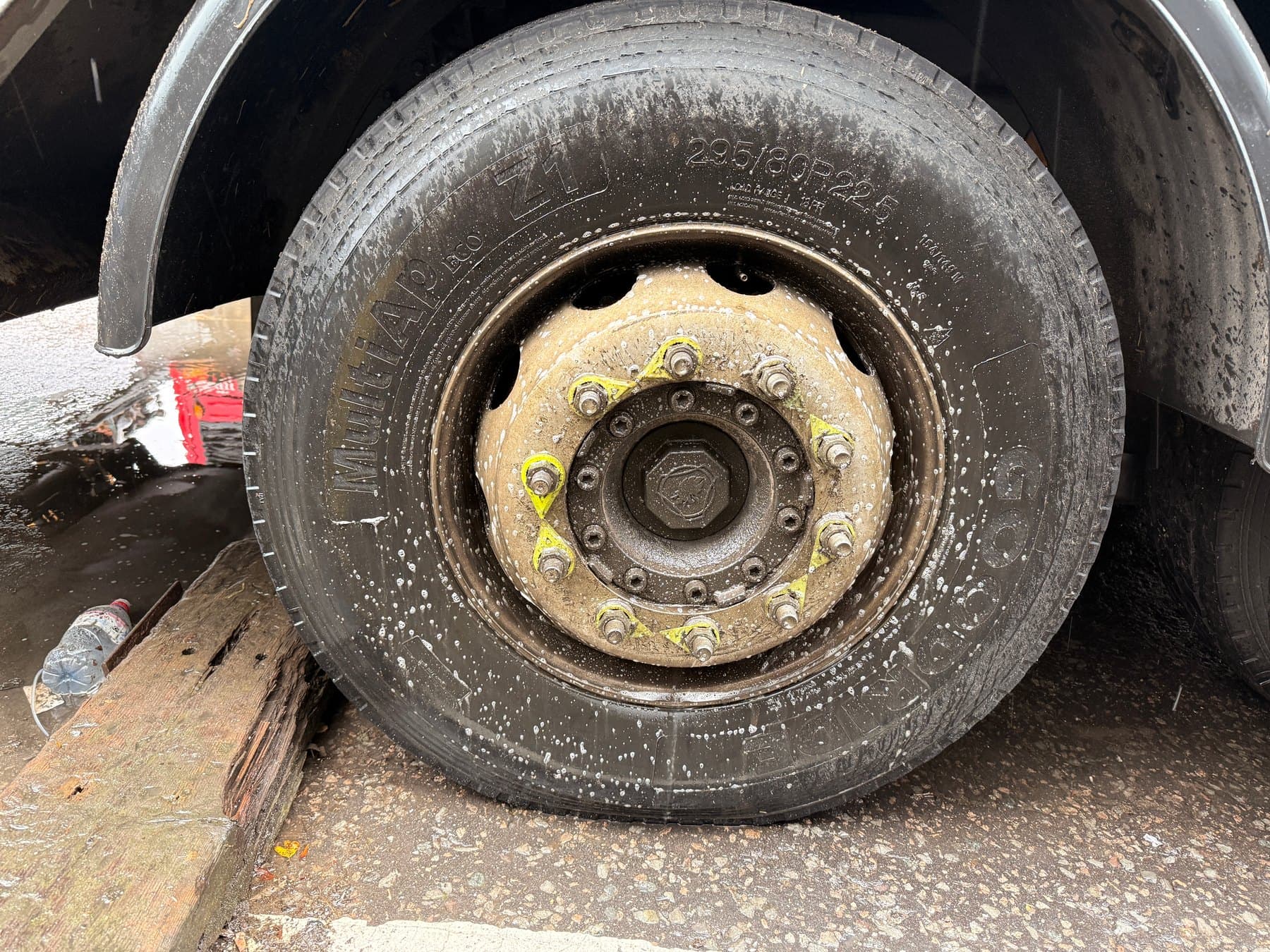
More frequent washing removes these deposits sooner and reduces the time they remain on the vehicle. It cannot reverse existing corrosion, repair damaged coatings or guarantee that rust will not develop, but it is a sensible part of looking after a working fleet.
Where lower-body, chassis or specialist areas are required, we agree the safe access and exact cleaning scope before the work begins.
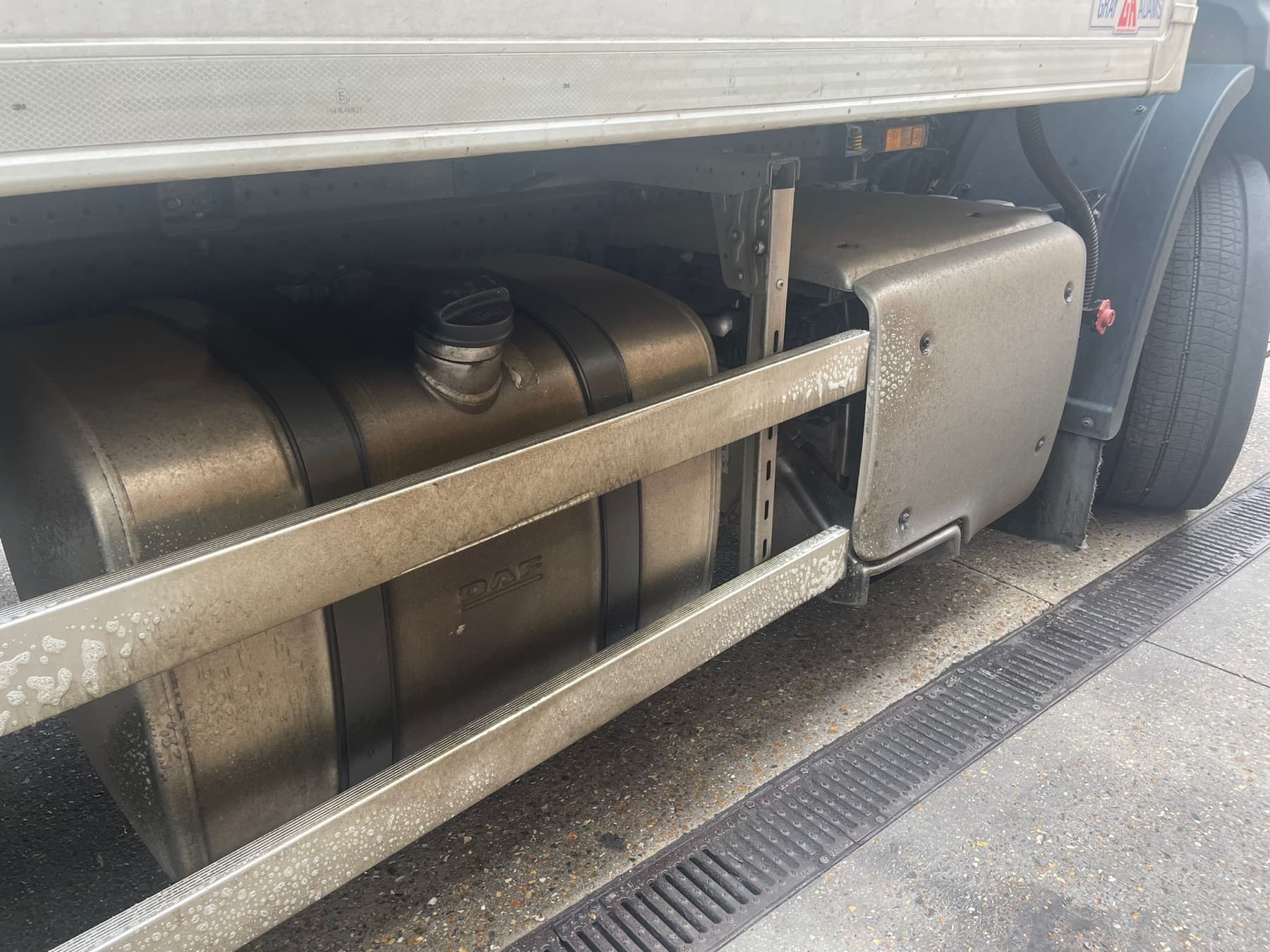
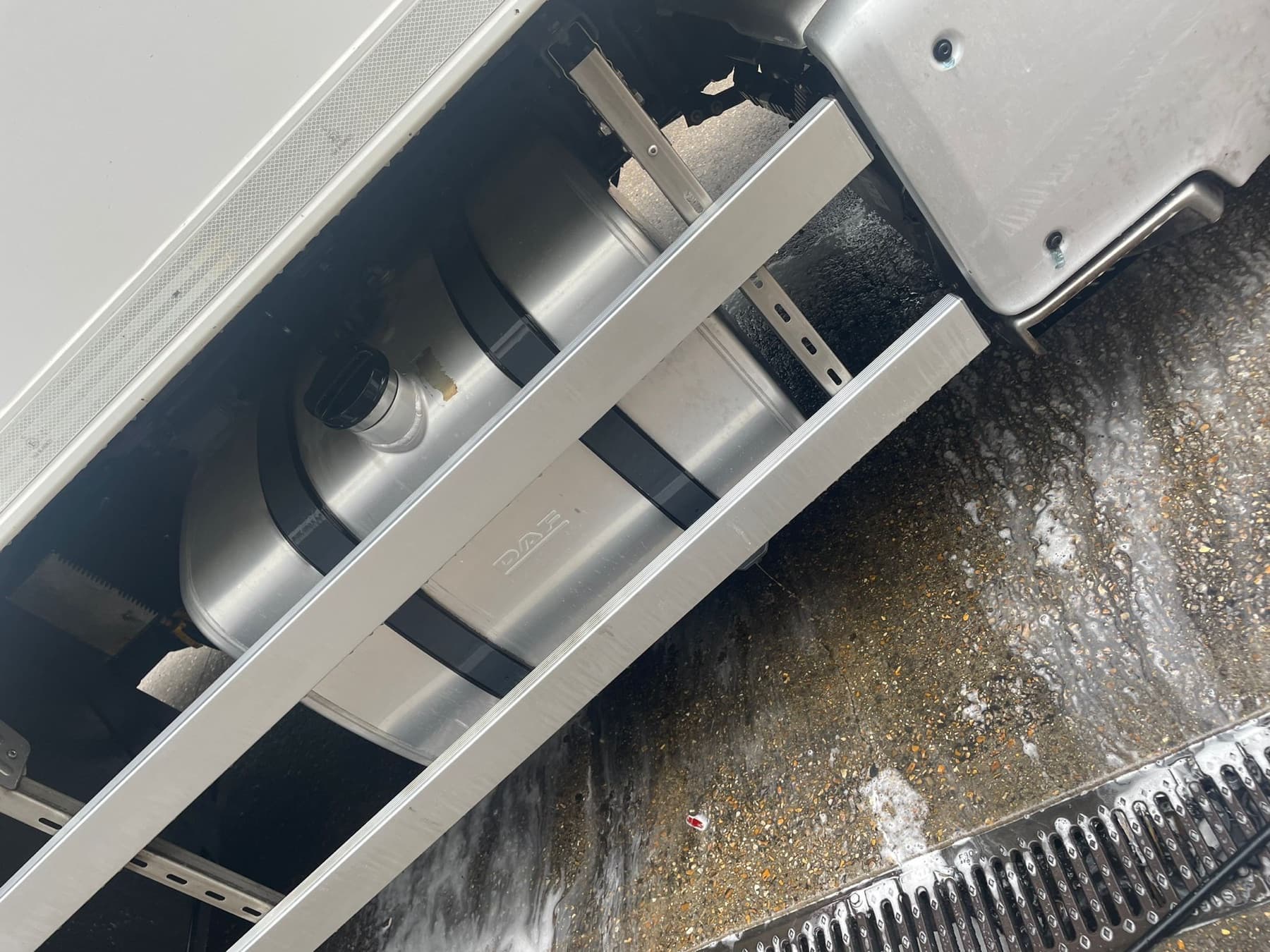
Send the vehicle types and quantities, site postcode, routes or working conditions and the standard you want maintained.
We discuss when the vehicles return, which units are normally available and whether weekly or fortnightly visits are the better fit.
We attend on the agreed pattern, clean the vehicles made available and provide the agreed invoice and wash records after the visit.
It depends on mileage, routes, weather, vehicle use and the standard you need. Weekly washing normally suits high-use or highly visible vehicles. Fortnightly washing can work well where contamination builds more slowly. We discuss the fleet before recommending a schedule.
Yes. One-off, ad hoc, monthly and less frequent work remains available. It is priced around the condition of the vehicles, the cleaning required and the time involved rather than a regular maintenance rate.
No wash programme can guarantee that rust will not develop. Regular cleaning removes corrosive salt and moisture-holding dirt more often, which can reduce exposure and help you maintain the vehicle. It does not replace inspection, protective treatment or repair of damaged paint and metalwork.
The quotation confirms the areas included. Where wheel cleaning is agreed, we use appropriate products as part of the wash. Wheels with severe, long-standing brake-dust build-up may need additional treatment and working time.
Send us the location, vehicle numbers and the work required. We will confirm any further details and provide a clear quotation.