P.W.S Pressure Washing Solutions
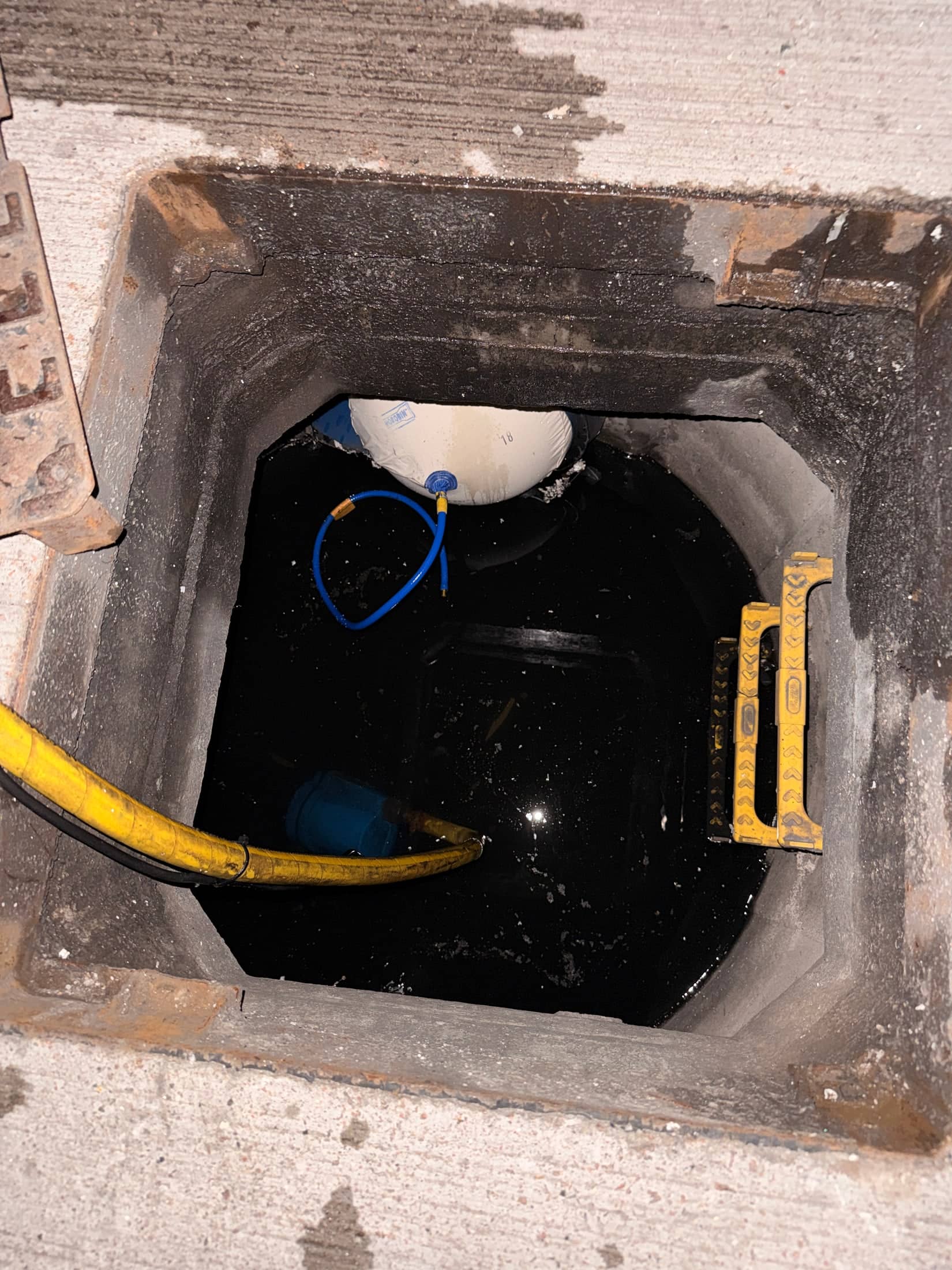
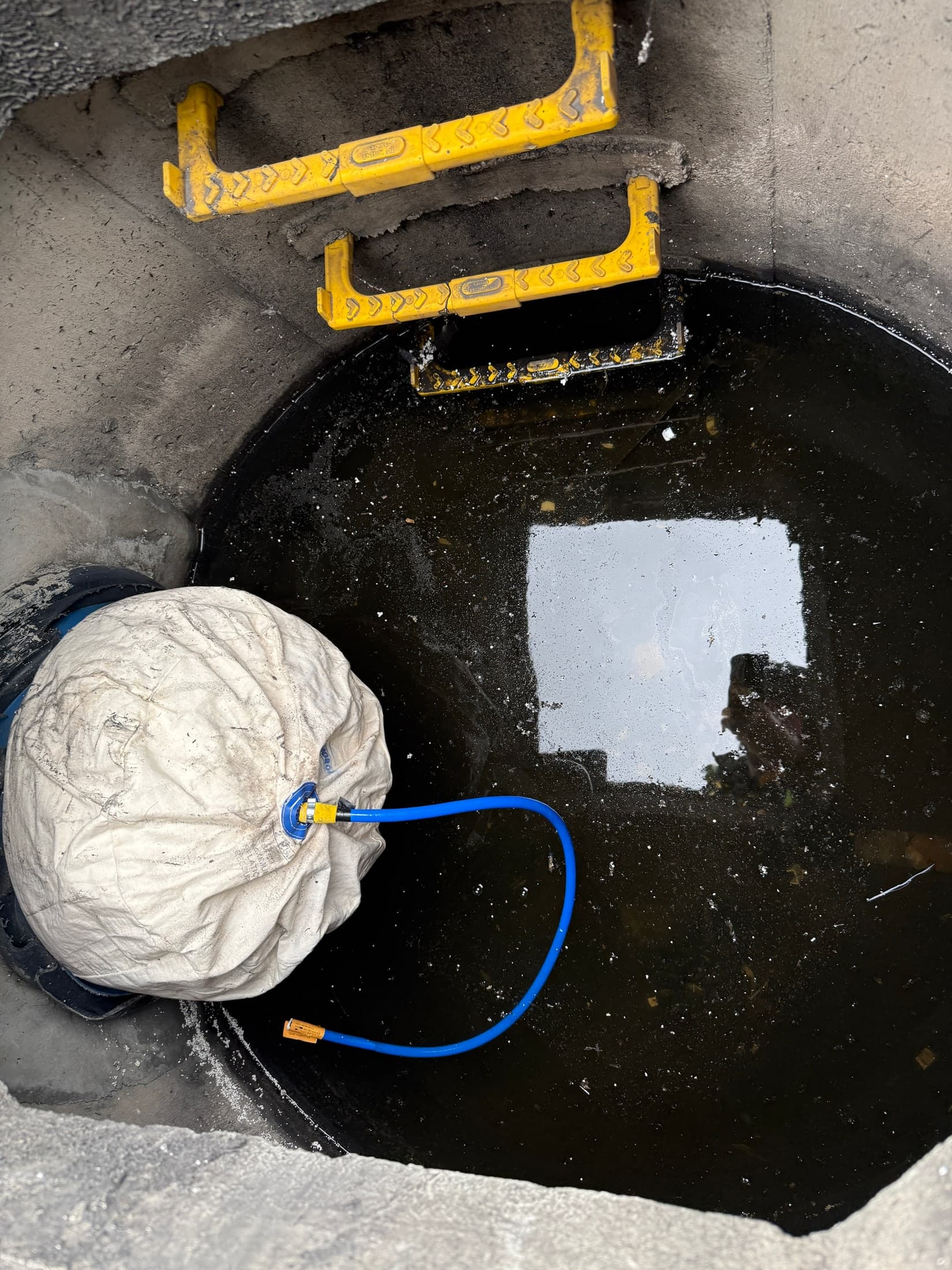
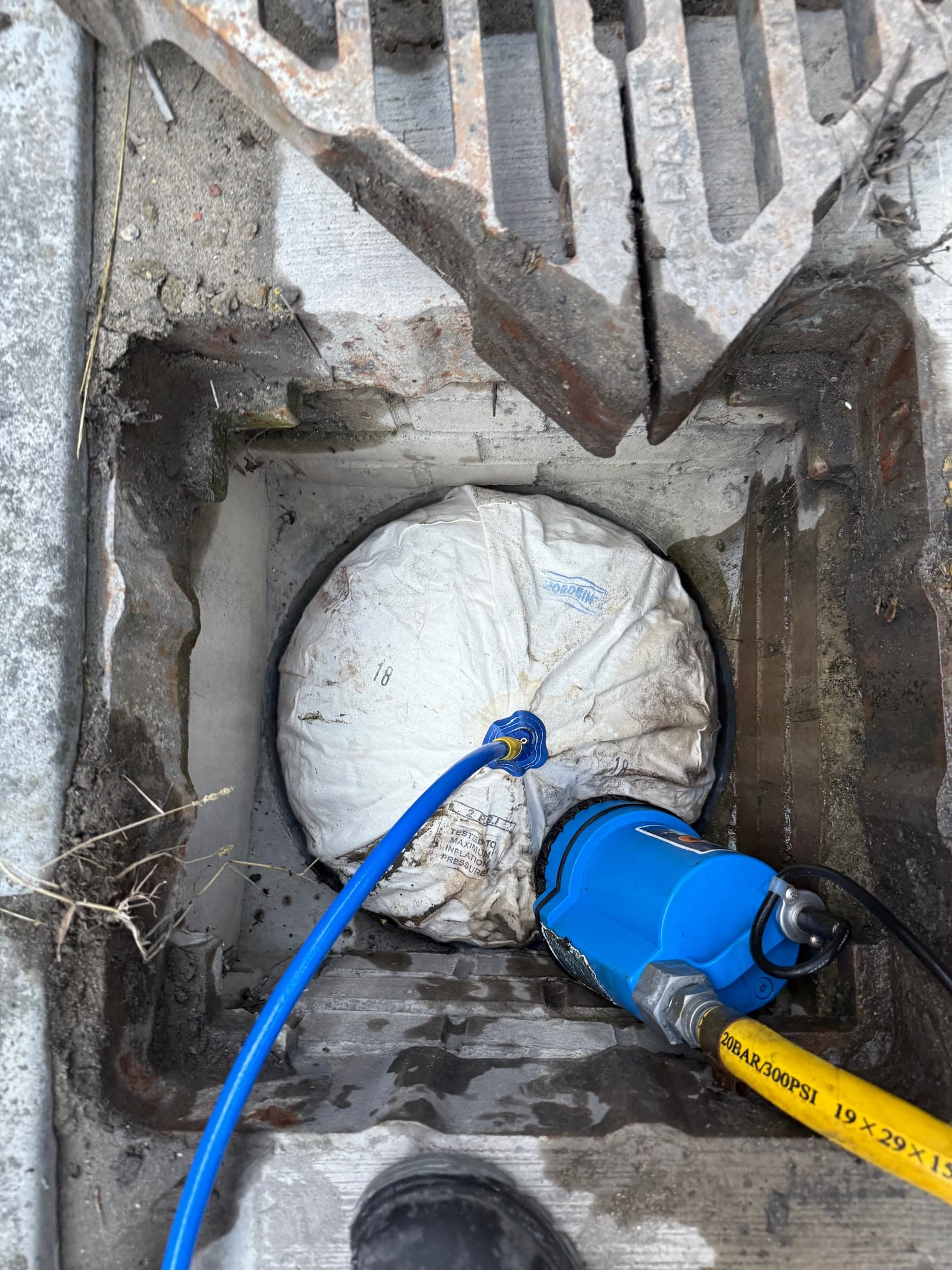
Drain bung and recovery pump used during commercial vehicle washing
Wastewater containment & recovery

Control the water before the wash begins

Site assessment, drain protection, diversion and recovery methods chosen around the actual wash area.

Request a Quote
Why water management matters

Wash water can carry more than visible dirt

Water running from a commercial vehicle can collect contaminants from bodywork, wheels, chassis areas and the wash process itself. Its route depends on the surface and drainage system at each site.

Surface-water drains may discharge differently from foul-water systems, and a site may also contain interceptors or dedicated wash facilities. PWS therefore does not assume that a method suitable at one depot will be suitable at another.

Available methods

A toolkit, not a single answer

One or more methods may be used where appropriate. Selection depends on the wash position, surface condition, drainage, access, expected volume and agreed service requirements.
01

Drain bungs

Temporary bungs can be selected for compatible drain openings to restrict wash-water movement during the agreed work.

02

Drain covers

Surface covers can help protect suitable drain inlets where the surrounding surface allows an effective seal.

03

Containment mats

Portable mats may be suitable where a defined wash area and vehicle access can be safely established.

04

Temporary barriers

Low barriers can guide or hold water on compatible surfaces when gradients and site traffic allow.

05

Drain socks

Absorbent or filtering socks may form one part of a wider control method for selected site conditions.

06

Water diversion

Temporary routes can direct water towards an agreed recovery point rather than an unsuitable drainage path.

07

Recovery pumps

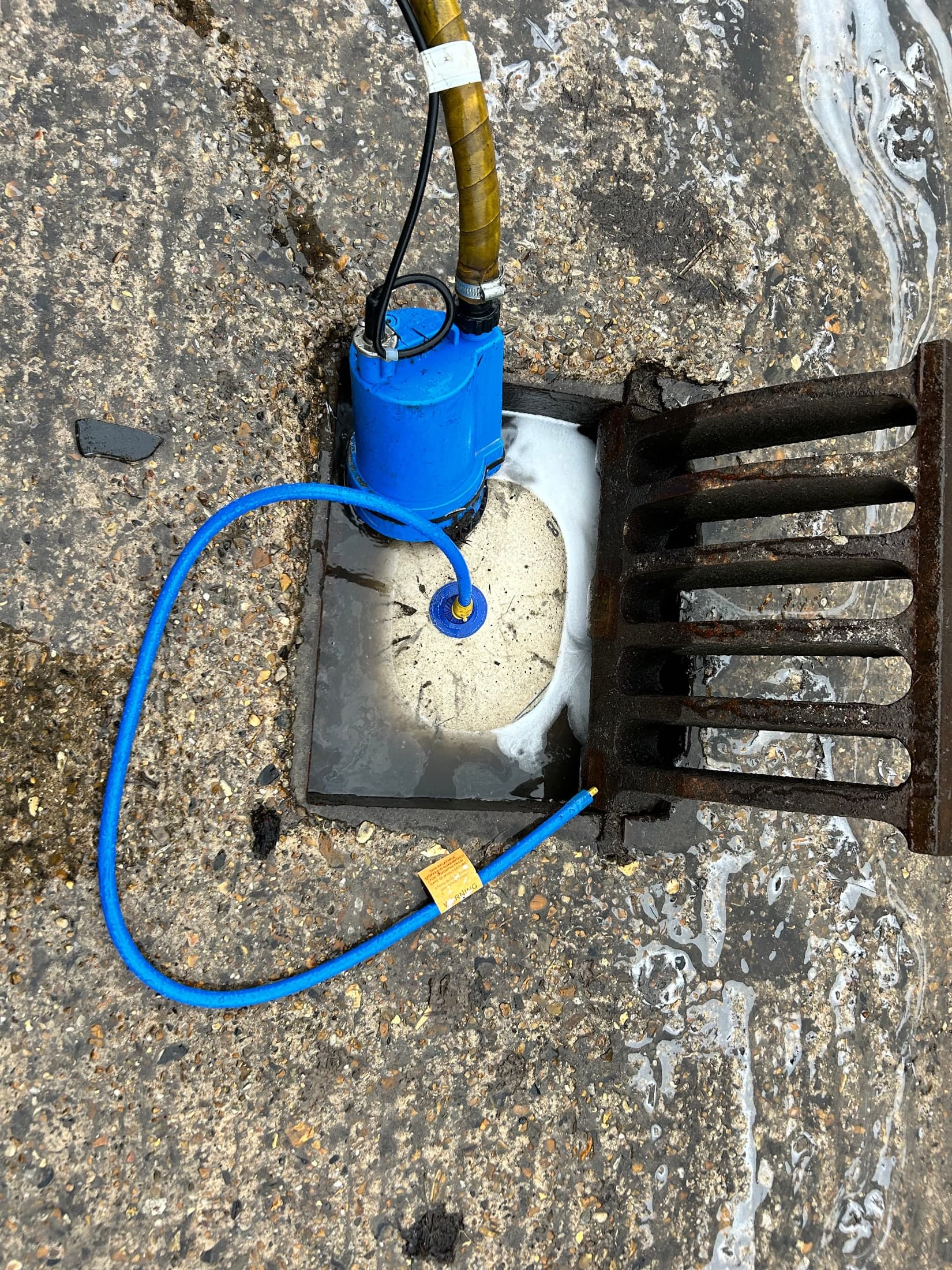
Pumps can move contained wash water from a low point into a suitable collection arrangement.

08

Collection tanks

Recovered water can be held in suitable tanks where capacity, vehicle payload and handling arrangements have been planned.

09

Controlled wash zones

A defined washing position can help make containment, access and recovery more consistent across repeat visits.

Our containment approach is selected according to the site layout, drainage arrangements and agreed service requirements.

Drain bung setup positioned within a commercial yard drain
Contained wash water and recovery hose at a drain
Wash-water control equipment positioned at a drain
Site assessment

Understand where the water will move

Before choosing a containment method, we review the proposed wash area, likely water path and recovery needs.
  • Drain locations and visible connections
  • Surface gradients and likely water movement
  • Existing interceptors and wash facilities
  • Foul and surface-water drainage information supplied by the customer
  • Vehicle access and safe working space
  • Proposed vehicle wash position
  • Expected recovery volume and storage needs
  • Customer procedures and site restrictions

Recovery and removal by agreement

Where required, contained wash water can be pumped into a suitable collection tank. Removal through an appropriate disposal route may then be agreed in advance, taking account of volume, likely contaminants, storage capacity and the receiving arrangement.

Careful compliance wording

PWS is a Registered Waste Carrier. Registration supports the handling arrangements available to the business, but it does not make every wash or disposal route automatically compliant. The method still has to match the actual site, material and agreed receiving route.

Need us to review a site? Share the wash location, drainage plan if available, vehicle types and likely service frequency when requesting a quote.

Request a Quote
Start a conversation

Discuss your fleet requirements

Tell us about your fleet, location and preferred cleaning schedule. We will provide a straightforward quotation based on your requirements.