What wastewater planning starts with on a working site
Drain positions, surface gradients and the wash area all matter when choosing containment and recovery equipment.
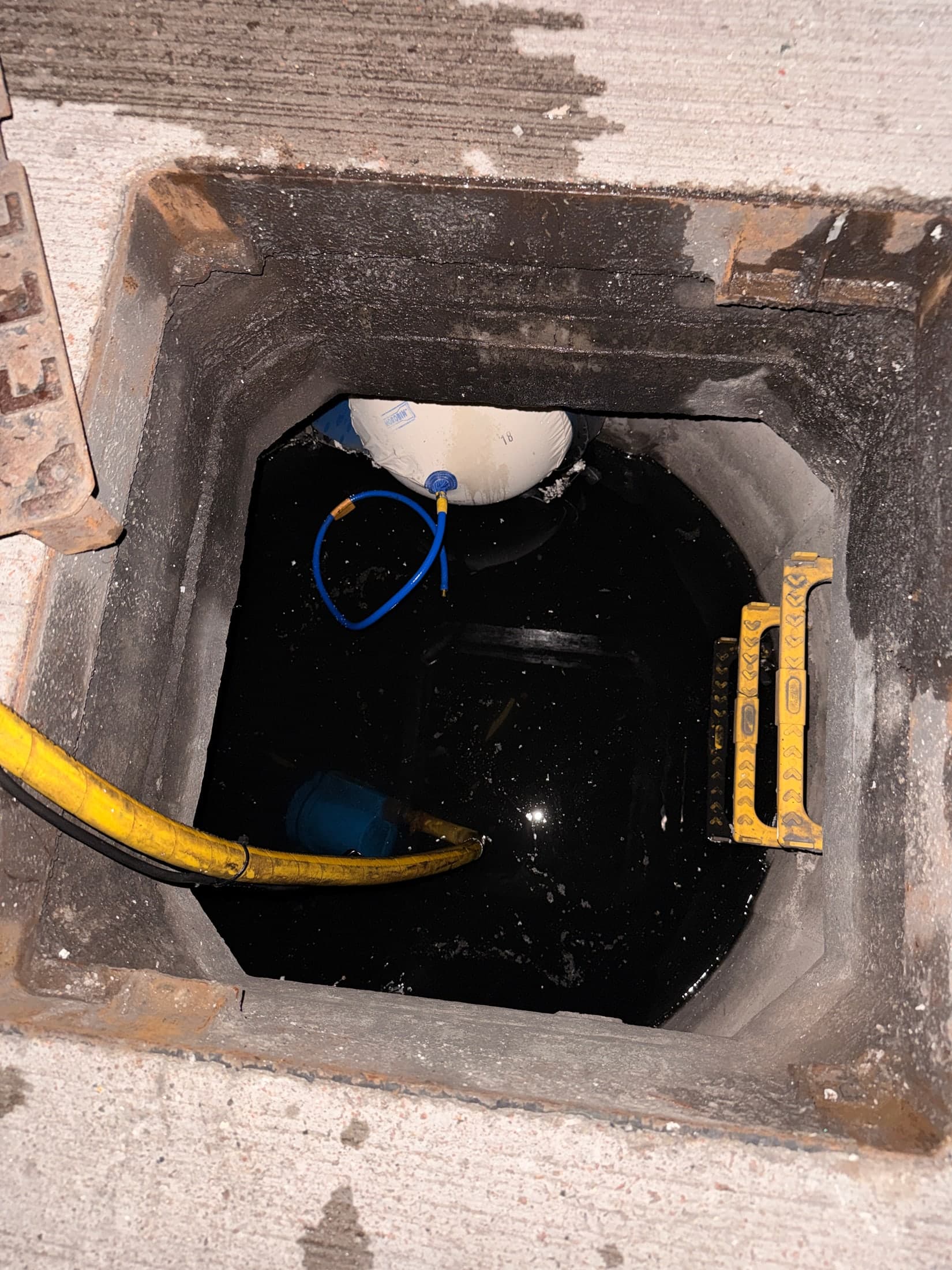
Vehicle-cleaning water can carry traffic film, sediment, road salt, oils, grease, brake residue, fuel traces and cleaning products. The visible drain is not always the complete drainage picture, so site information is important before a method is agreed.
Start with the route the water will take
We consider drain locations, surface gradients, interceptors, foul and surface-water drainage, vehicle access and the wash position. The aim is to understand where the water will move and where it can be recovered.
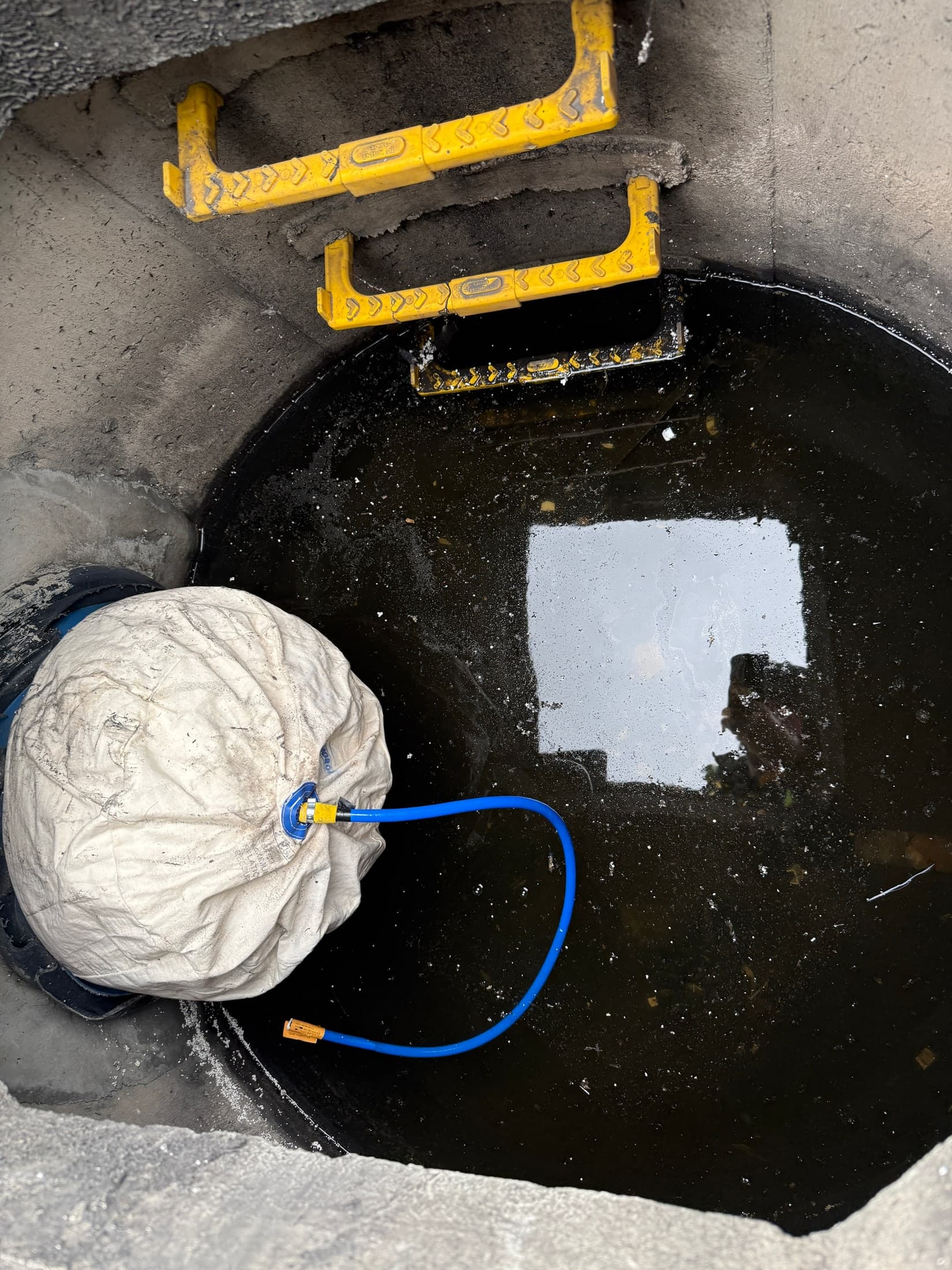
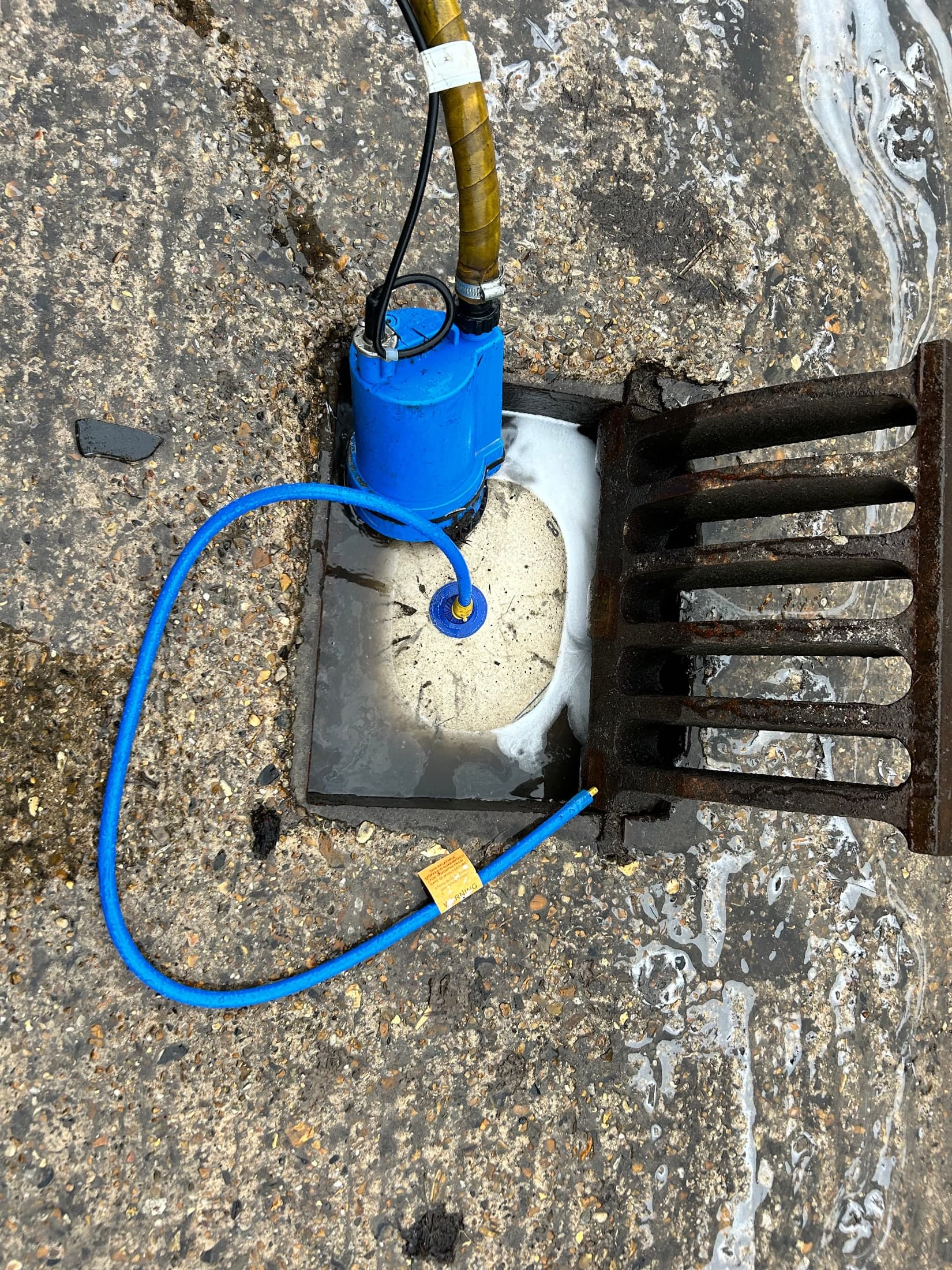
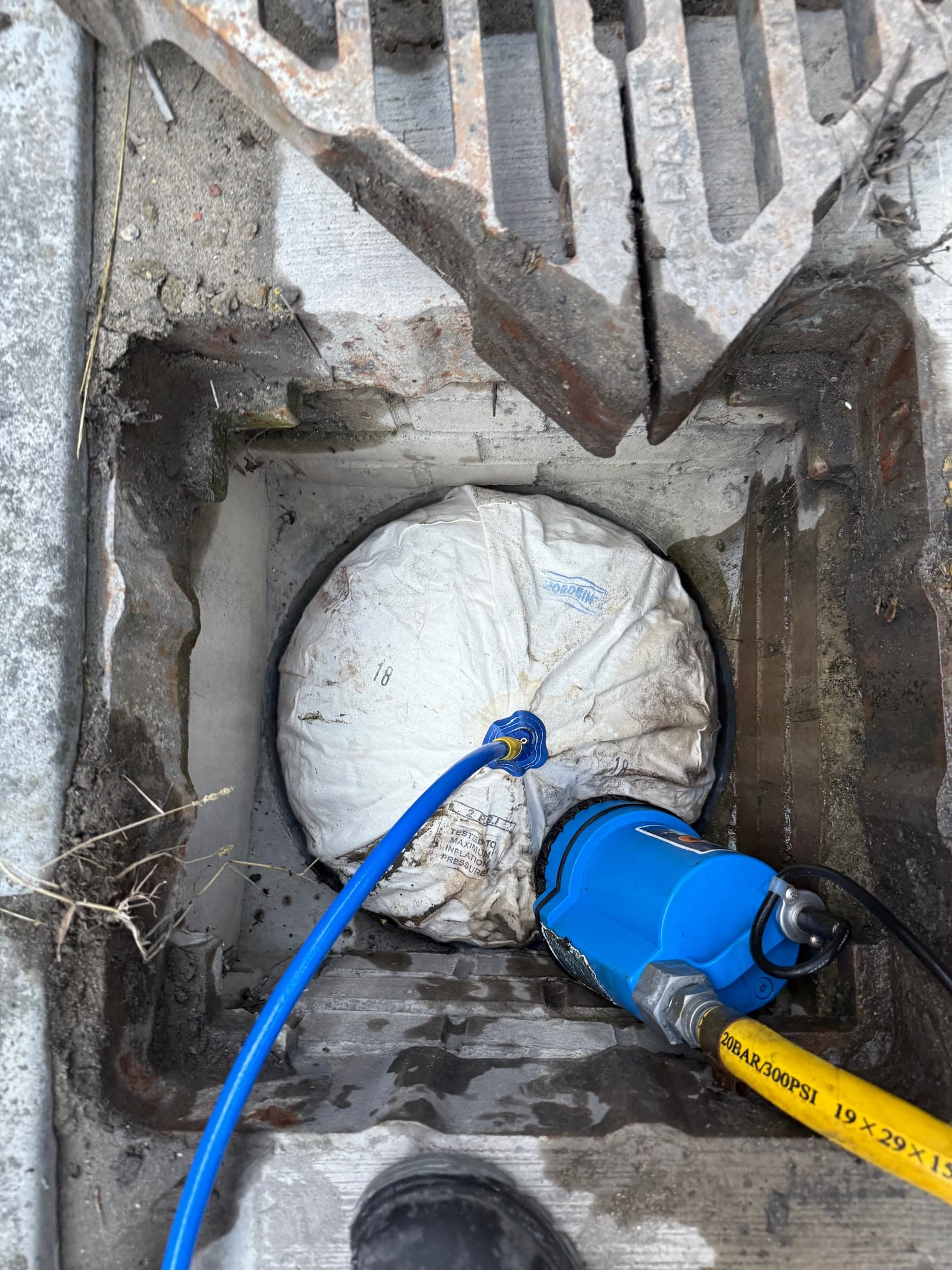
- Drain bungs or drain covers
- Containment mats or temporary barriers
- Drain socks and water diversion
- Recovery pumps and collection tanks
- A controlled washing zone
- An appropriate removal route where agreed
A site-specific approach
No single method suits every location. We choose the containment setup around the site layout, drainage and service required. Any disposal or discharge arrangement must be confirmed for that site rather than assumed.